

Buy Kayak Archives Tobacco Online
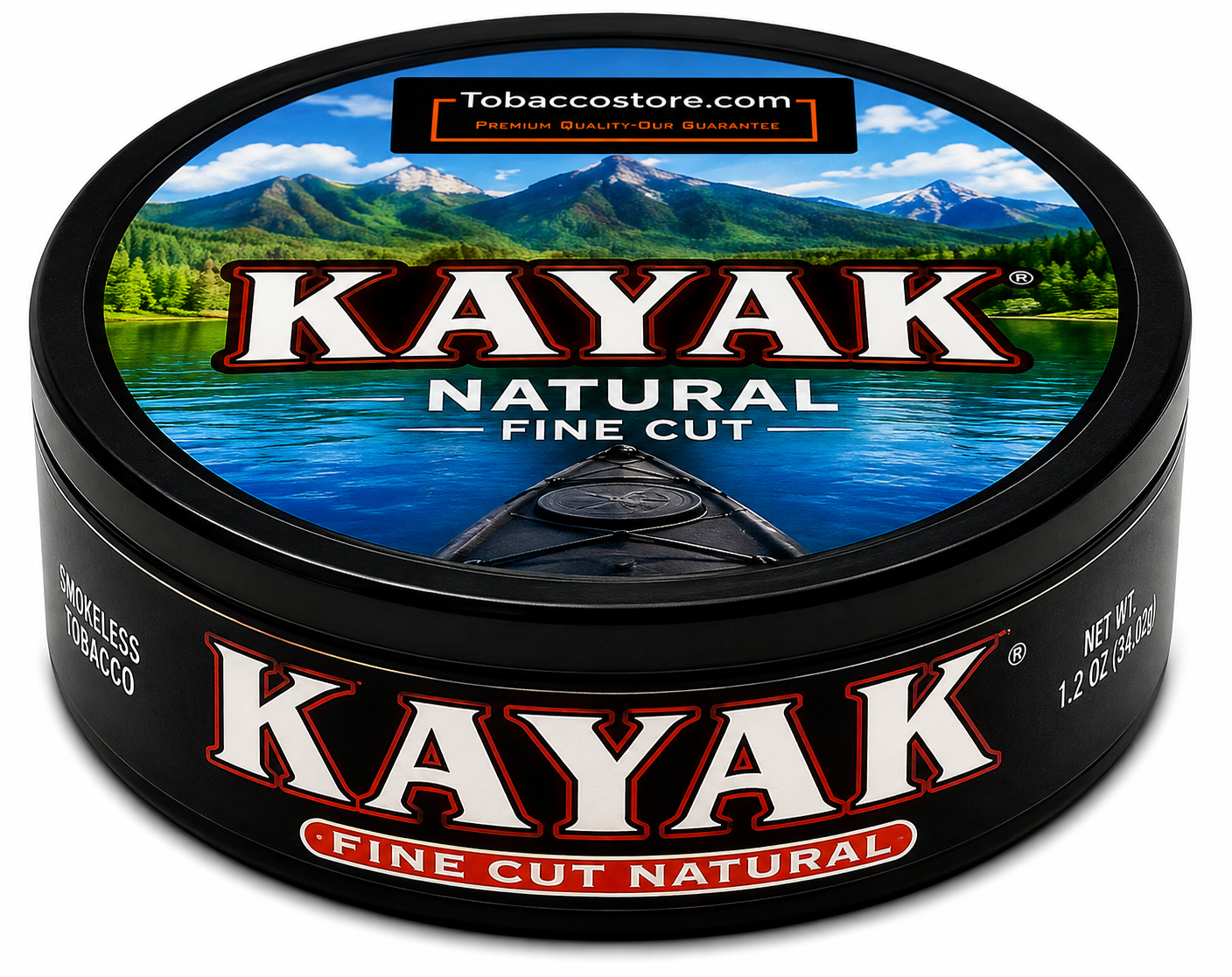
Buy Kayak Archives Tobacco Online refers to archived or legacy information related to the Kayak tobacco brand and its products. Tobacco brands often change packaging, product lines, blend names, and labelling over time. Historical records help researchers, collectors, retailers, and consumers understand how products have evolved under changing regulations.
This guide explains tobacco archives, product identification, packaging history, storage recommendations for collectable tobacco items, regulatory developments, and public health information. It provides educational information only and does not encourage tobacco or nicotine use.
What Are Tobacco Archives?
Tobacco archives include historical information about tobacco products, brands, packaging, advertisements, catalogues, and product specifications. Manufacturers, museums, libraries, collectors, and researchers preserve these materials to document the history of tobacco manufacturing and marketing.
Archived information may include:
- Historical product names
- Packaging designs
- Brand logos
- Product catalogs
- Manufacturing information
- Advertising materials
- Regulatory notices
- Historical photographs
These records support historical research and product identification.
About the Kayak Brand
The Kayak brand has appeared in the roll-your-own tobacco market in various regions. Product lines, packaging, and availability have changed over time according to market demand and regulatory requirements.
Historical documentation helps identify older package designs, discontinued blends, and previous labelling formats. Researchers often compare archived materials with current products to understand changes in branding and regulatory compliance.
Packaging and Labelling
Governments establish detailed packaging requirements for tobacco products.
Historical and modern packages commonly include:
- Brand identification
- Product name
- Blend designation
- Net weight
- Manufacturer information
- Batch or production details
- Government health warnings
- Tax markings where required
- Country-specific legal notices
Many countries have strengthened packaging rules over time by introducing larger health warnings and standardised packaging requirements.
Product Identification
Manufacturers include identifying information to support traceability and regulatory compliance.
Typical package information includes:
- Brand name
- Product designation
- Manufacturer details
- Batch number
- Compliance markings
- Country-specific information
Researchers use these details to distinguish product generations and document historical changes.
Proper Storage for Archived Items
Collectors often preserve historical tobacco packaging for educational or historical purposes.
General recommendations include:
- Store archived materials in a cool, dry place.
- Protect items from direct sunlight.
- Reduce exposure to excessive humidity.
- Handle fragile packaging carefully.
- Keep archival materials away from children and pets.
Proper storage helps preserve printed labels and packaging materials.
Tobacco Regulations
Governments regulate tobacco products through comprehensive legal frameworks.
Common regulations include:
- Minimum legal purchasing age
- Packaging and labeling standards
- Mandatory health warnings
- Advertising restrictions
- Tobacco taxation
- Import and export controls
- Retail licensing
Regulations continue to evolve as public health policies change. Historical packaging often reflects the legal requirements that applied when manufacturers produced the product.
Public Health Information
Health authorities agree that tobacco use presents significant health risks. Tobacco contains nicotine, which can cause dependence. Smoking increases the risk of cancer, heart disease, stroke, chronic obstructive pulmonary disease (COPD), and several other serious illnesses. Exposure to secondhand smoke also affects people nearby.
People who do not currently use tobacco should not begin using tobacco products. Individuals who want to stop using tobacco or nicotine can seek support from healthcare professionals, tobacco cessation programs, counselling services, and national quitlines.
Why Historical Records Matter
Historical tobacco records help researchers understand changes in manufacturing, branding, packaging, and regulation. Museums, academic institutions, and collectors use archived materials to document commercial history and public policy developments.
Archives also support efforts to identify discontinued products and compare historical packaging with current regulatory standards.
Frequently Asked Questions
What are Kayak Archives Tobacco records?
They are historical materials related to Kayak tobacco products, including packaging, branding, catalogues, advertisements, and product information.
Why do collectors preserve tobacco packaging?
Collectors and researchers preserve packaging to document product history, branding changes, and regulatory developments.
Why do tobacco packages include health warnings?
Many governments require health warnings to communicate the established health risks associated with tobacco and nicotine use.
Are historical tobacco products regulated?
Current laws regulate the manufacture, sale, advertising, and distribution of tobacco products. Historical items may also fall under laws governing collectables, imports, or advertising depending on local regulations.
How should archived packaging be stored?
Store archival materials in a cool, dry place away from direct sunlight, excessive humidity, children, and pets.
Conclusion
Kayak Archives Tobacco provides historical information about the Kayak tobacco brand and its products. Archived materials document packaging designs, product names, regulatory changes, and branding developments over time.
Understanding tobacco history, packaging requirements, product identification, regulatory standards, and public health information helps readers study this product category from an educational perspective. This article provides factual information only and does not encourage tobacco use or purchase.
Disclaimer: This article provides educational information only. It does not advertise, promote, recommend, or facilitate the sale or use of tobacco or nicotine products. Tobacco and nicotine products carry serious health risks, including nicotine dependence and tobacco-related disease. They are intended only for adults of legal age where permitted by law.
Contact Details
Be the first to review “Buy Kayak Archives Tobacco Online”
Related products
CHEWING TOBACCO
CHEWING TOBACCO

CHEWING TOBACCO
CHEWING TOBACCO
CHEWING TOBACCO
CHEWING TOBACCO
CHEWING TOBACCO
CHEWING TOBACCO
Reviews
There are no reviews yet.