
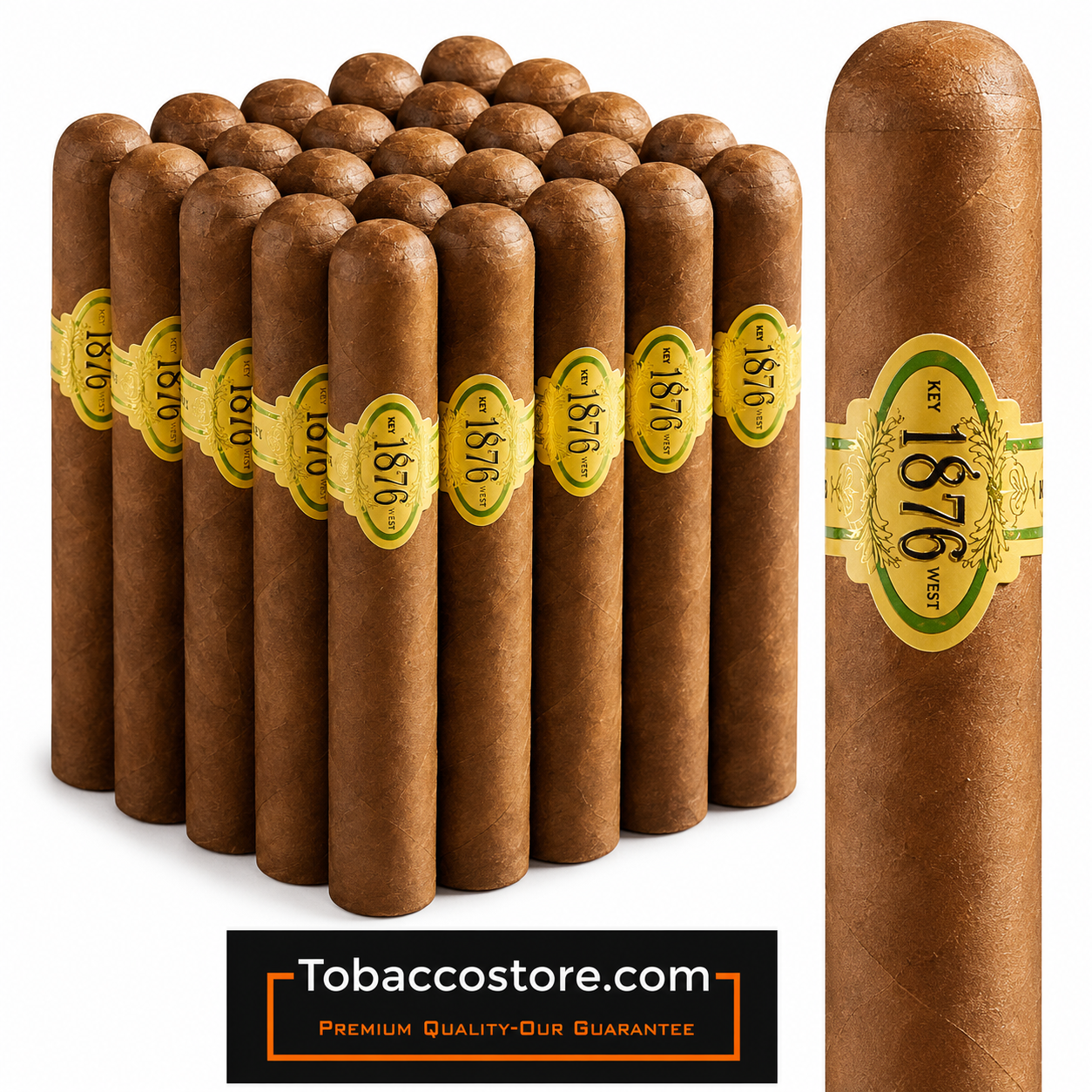

Buy 1876 Reserve Churchill Cigars Online
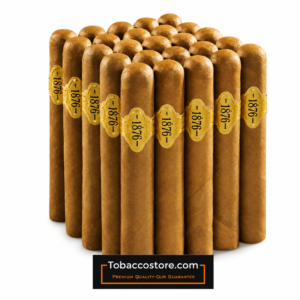
Buy 1876 Reserve Churchill Cigars Online belong to the premium cigar category. Premium cigars use whole-leaf tobacco that manufacturers cure, age, blend, and roll into finished products. The 1876 Reserve name identifies a particular cigar line, while Churchill describes a traditional cigar size.
Tobacco laws regulate premium cigars in many countries. These laws can cover manufacturing, packaging, labelling, taxation, advertising, distribution, imports, exports, and retail sales. Requirements differ significantly between jurisdictions.
This guide provides general information about the 1876 Reserve Churchill format, cigar terminology, packaging, storage, regulations, and health considerations. It does not recommend tobacco use or facilitate the purchase of tobacco products.
What Are Premium Cigars?
Premium cigars typically contain three principal components: filler, binder, and wrapper. Manufacturers select and process tobacco leaves before combining these components into a finished cigar.
The filler forms the interior of the cigar. The binder holds the filler together and provides structural support. The wrapper forms the outer layer and contributes to the cigar’s appearance.
Manufacturers produce premium cigars in numerous sizes, shapes, blends, and wrapper styles. Product names help distinguish individual lines, while size terms describe the physical characteristics of the cigar.
Understanding the Churchill Format
Churchill represents one of the best-known traditional cigar sizes. Manufacturers generally create Churchill cigars with a longer profile than many other popular formats.
Exact dimensions can vary between manufacturers, so the term does not establish one universal measurement. Instead, it provides a general description of the cigar’s proportions.
The Churchill designation describes physical format only. It does not indicate reduced health risks, lower nicotine exposure, or greater safety.
Tobacco products contain nicotine, and nicotine can cause dependence.
The 1876 Reserve Designation
The 1876 Reserve designation identifies a particular cigar line. Product names allow manufacturers and consumers to distinguish one product from another.
A product designation does not automatically communicate a cigar’s health effects, nicotine content, or safety profile. Consumers should consult legally required packaging information and manufacturer documentation for specific product details.
Packaging and Labelling
Governments establish packaging and labelling requirements for tobacco products. Regulations vary according to location.
A legally marketed cigar package may include information such as:
- Brand name
- Product name
- Cigar size
- Quantity
- Manufacturer information
- Health warnings
- Batch or production information
- Tax markings
- Country-specific compliance information
Health warnings play an important role in tobacco regulation. They communicate recognised health risks and help consumers understand the consequences associated with tobacco use.
Product Identification
Manufacturers use identifying information to support product traceability and regulatory compliance.
Depending on the jurisdiction, packaging may display:
- Product identifiers
- Manufacturer details
- Production information
- Batch numbers
- Legal notices
- Tax information
- Regulatory markings
Authorities use these requirements to help monitor tobacco products throughout the supply chain.
Storage Considerations
Cigar tobacco responds to environmental conditions. Excessive heat, moisture, dryness, and rapid temperature changes can affect tobacco quality.
General storage guidance includes:
- Keep cigars in appropriate original packaging when possible.
- Protect tobacco from direct sunlight.
- Avoid extreme temperatures.
- Follow the manufacturer’s storage instructions.
- Keep tobacco products away from children and pets.
People who maintain cigar collections sometimes use specialised storage equipment. However, storage requirements can vary according to product characteristics and local environmental conditions.
Tobacco Regulations
Tobacco regulations differ widely around the world.
Common regulatory requirements can include:
- Minimum legal age requirements
- Health warnings
- Packaging standards
- Advertising restrictions
- Retail licensing
- Tobacco taxes
- Import restrictions
- Export requirements
- Product registration
A tobacco product that remains legal in one jurisdiction may face restrictions in another. Anyone handling tobacco products should consult the laws that apply in their location.
Public Health Information
Health authorities recognise tobacco use as a major source of preventable disease. Tobacco contains nicotine, which can cause addiction and dependence.
Smoking tobacco can increase the risk of numerous serious conditions, including lung cancer, cardiovascular disease, stroke, and chronic respiratory disease. Tobacco smoke also contains harmful chemicals that can affect other people through secondhand exposure.
People who do not currently use tobacco should avoid starting. Anyone who wants to stop using tobacco or nicotine can discuss cessation options with a qualified healthcare professional or an appropriate tobacco-cessation service.
Responsible Handling
Adults who legally possess tobacco products should store and handle them responsibly.
Good practices include:
- Keep tobacco products secured.
- Prevent access by children and pets.
- Follow applicable tobacco laws.
- Follow manufacturer storage guidance.
- Respect smoke-free environments.
- Dispose of tobacco-related packaging responsibly.
Responsible handling helps reduce accidental exposure and supports compliance with local regulations.
Frequently Asked Questions
What are 1876 Reserve Churchill Cigars?
They are premium cigars identified by the 1876 Reserve product designation and the Churchill size format.
What does Churchill mean?
Churchill describes a traditional cigar size characterised by a relatively long profile. Exact dimensions can vary between manufacturers.
Does Churchill indicate lower health risks?
No. A cigar’s size designation does not indicate reduced health risks, lower nicotine exposure, or increased safety.
How should cigars be stored?
Follow the manufacturer’s storage instructions and protect tobacco from excessive heat, direct sunlight, extreme dryness, and excessive moisture. Keep tobacco away from children and pets.
Are premium cigars regulated?
Yes. Governments regulate premium cigars through rules covering areas such as manufacturing, packaging, labelling, taxation, advertising, distribution, and retail sales.
Conclusion
1876 Reserve Churchill Cigars represent a product within the premium cigar category. The 1876 Reserve designation identifies the product line, while Churchill describes its traditional cigar format.
Understanding cigar terminology, packaging requirements, storage considerations, tobacco regulations, and health information provides useful context for anyone researching premium cigars. Local laws determine how tobacco products can be manufactured, distributed, advertised, possessed, and sold.
This article provides general educational information rather than purchasing advice. Tobacco and nicotine products carry significant health risks, including nicotine dependence and tobacco-related disease.
Disclaimer: This material serves educational purposes only. It does not advertise, recommend, endorse, or facilitate the sale or use of tobacco or nicotine products. Tobacco products should only be handled or used by adults of legal age where permitted by applicable law.
Contact Details
2 reviews for Buy 1876 Reserve Churchill Cigars Online
Add a review
Related products

Haraf –
I had a great experience using this website. The service was incredibly fast, the process was simple, and everything was handled professionally. I’ll definitely be coming back again!
Hepared –
Everything arrived exactly as expected. Great experience from start to finish.