Buy Copenhagen Fine Cut Snuff Tobacco Online
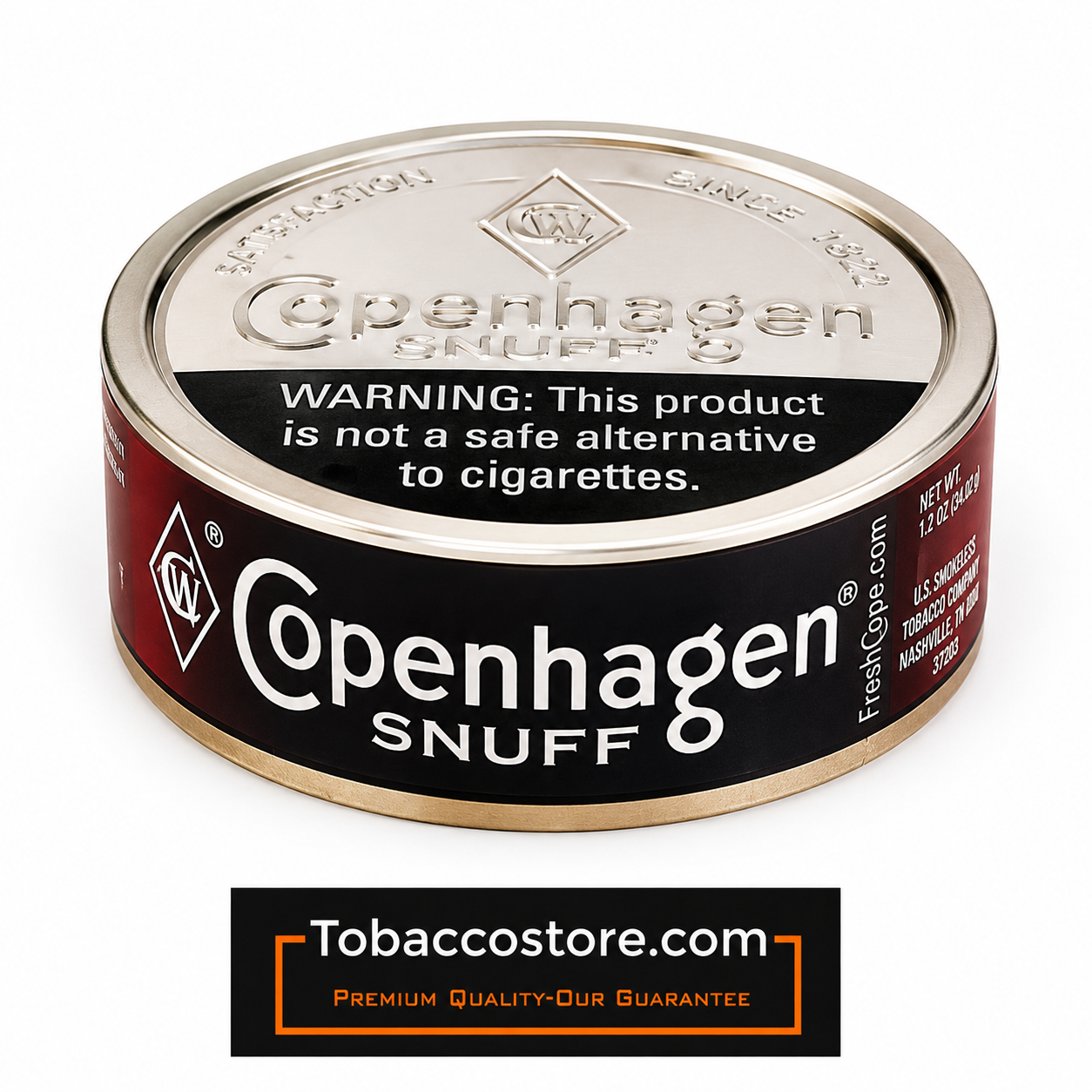
Buy Copenhagen Fine Cut Snuff Tobacco Online belongs to the smokeless tobacco category. Manufacturers process tobacco leaves into different forms, including fine-cut products designed for oral use. The Copenhagen name identifies the brand, while Fine Cut describes the physical form of the tobacco.
Governments regulate smokeless tobacco through laws covering manufacturing, packaging, labelling, taxation, advertising, distribution, importation, and retail sales. Requirements vary considerably between countries and regions.
This guide provides general information about fine-cut smokeless tobacco, product terminology, packaging, storage, regulation, and health considerations. It does not recommend tobacco use or facilitate the purchase of tobacco products.
What Is Fine-Cut Smokeless Tobacco?
Fine-cut smokeless tobacco consists of processed tobacco cut into relatively small strands or pieces. Manufacturers produce several types of smokeless tobacco, and cut size represents one way to distinguish different products.
Fine-cut tobacco does not require combustion during use. Users typically place oral tobacco between the lip and gum, where nicotine and other compounds can enter the body.
The absence of smoke does not make smokeless tobacco safe. Smokeless tobacco contains nicotine and other substances that can create health risks.
Understanding the Fine Cut Designation
The Fine Cut designation describes the tobacco’s physical cut.
Manufacturers use different cut styles to distinguish product varieties. Cut terminology helps identify the physical characteristics of a tobacco product but does not indicate safety, reduced nicotine exposure, or reduced health risks.
Nicotine can cause dependence, and smokeless tobacco products can deliver significant amounts of nicotine.
Packaging and Labelling
Governments establish specific requirements for smokeless tobacco packaging.
Depending on the jurisdiction, packaging may contain:
- Brand identification
- Product name
- Cut designation
- Net weight
- Manufacturer information
- Health warnings
- Batch or production information
- Tax markings
- Country-specific legal notices
Health warnings communicate the risks associated with tobacco and nicotine use. Authorities may also impose restrictions on package design, advertising language, and promotional claims.
Product Identification
Manufacturers use product identifiers to support traceability and regulatory compliance.
Packaging may include information such as:
- Brand name
- Product designation
- Product weight
- Manufacturer details
- Batch information
- Regulatory markings
- Tax information
Specific requirements depend on local tobacco legislation.
Storage Considerations
Tobacco products can change when they encounter excessive heat, moisture, or dryness. Proper storage can help maintain product condition.
General storage practices include:
- Keep the product in its original container.
- Follow the manufacturer’s storage instructions.
- Protect tobacco from direct sunlight.
- Avoid extreme temperatures.
- Keep tobacco products away from children and pets.
Consumers should always follow the storage information printed on the product packaging.
Tobacco Regulations
Governments regulate smokeless tobacco products through comprehensive tobacco-control frameworks.
Regulations can cover:
- Minimum legal purchasing age
- Product labeling
- Health warnings
- Tobacco taxation
- Advertising restrictions
- Retail requirements
- Import and export controls
- Product registration
Laws differ between jurisdictions. A product may face different legal requirements depending on the country or state where someone manufactures, distributes, possesses, or sells it.
Anyone handling tobacco products should consult the laws applicable to their location.
Health Effects of Smokeless Tobacco
Health authorities recognise smokeless tobacco as harmful. Tobacco contains nicotine, which can lead to dependence and addiction.
Smokeless tobacco use can expose users to harmful chemicals and increase the risk of serious health problems. These risks can include oral health problems and cancers affecting areas such as the mouth, throat, and pancreas. Smokeless tobacco can also contribute to cardiovascular risks.
Pregnant individuals should avoid tobacco and nicotine because exposure can harm pregnancy and fetal development.
People who do not currently use tobacco should not begin using it.
Nicotine Dependence
Nicotine can alter brain pathways associated with reward and reinforcement. Repeated exposure can create dependence, which may make quitting difficult.
People who want to stop using smokeless tobacco can seek assistance from healthcare professionals, tobacco-cessation programs, counselling services, and other evidence-based cessation resources.
Professional support can help people understand withdrawal symptoms and identify appropriate strategies for quitting.
Responsible Handling
Adults who legally possess tobacco products should handle them responsibly.
Good practices include:
- Keep tobacco products securely stored.
- Prevent access by children and pets.
- Follow applicable tobacco laws.
- Avoid leaving tobacco products in accessible locations.
- Dispose of used tobacco and packaging responsibly.
- Respect tobacco-free environments.
Responsible handling reduces accidental exposure and supports compliance with applicable regulations.
Frequently Asked Questions
What is Copenhagen Fine Cut Snuff Tobacco?
It is a smokeless tobacco product associated with the Copenhagen brand and the Fine Cut product designation.
What does Fine Cut mean?
Fine Cut describes the physical cut of the tobacco. It does not indicate reduced health risks or lower nicotine exposure.
Does smokeless tobacco contain nicotine?
Yes. Smokeless tobacco products contain nicotine, which can cause dependence.
Is smokeless tobacco safer than smoking?
Smokeless tobacco still carries serious health risks. The absence of combustion does not eliminate the harmful effects associated with tobacco and nicotine.
How should smokeless tobacco products be stored?
Follow the manufacturer’s instructions and keep products away from excessive heat, direct sunlight, children, and pets.
Are smokeless tobacco products regulated?
Yes. Governments commonly regulate their manufacture, packaging, labelling, taxation, advertising, distribution, and retail sale.
Conclusion
Copenhagen Fine Cut Snuff Tobacco represents a fine-cut smokeless tobacco product. The Copenhagen name identifies the brand, while Fine Cut describes the tobacco’s physical form.
Understanding product terminology, packaging requirements, storage considerations, legal regulations, nicotine dependence, and health risks provides useful context for anyone researching smokeless tobacco.
Tobacco and nicotine products carry significant health risks. Smokeless tobacco can cause dependence and contribute to serious health problems. People who do not use tobacco should not begin, and anyone seeking to quit can consult a qualified healthcare professional or tobacco-cessation service.
Disclaimer: This article provides general educational information only. It does not advertise, recommend, endorse, or facilitate the sale or use of tobacco or nicotine products. Tobacco products should only be handled by adults of legal age where permitted by applicable law.
Contact Details
Be the first to review “Buy Copenhagen Fine Cut Snuff Tobacco Online”
Related products
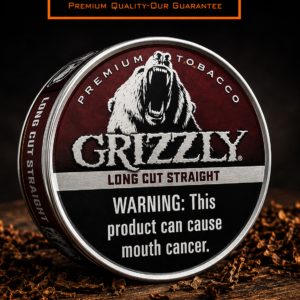
CHEWING TOBACCO
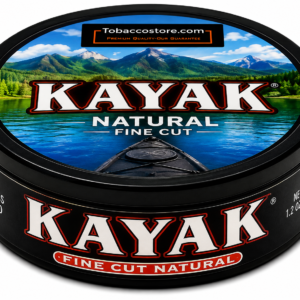
CHEWING TOBACCO
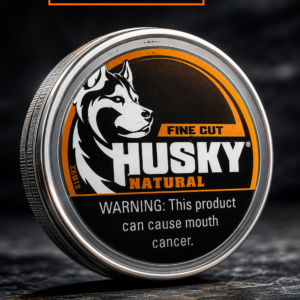
CHEWING TOBACCO
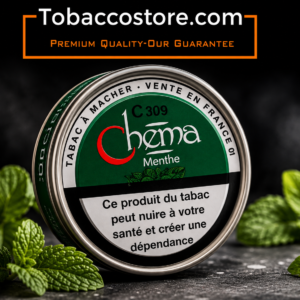
CHEWING TOBACCO
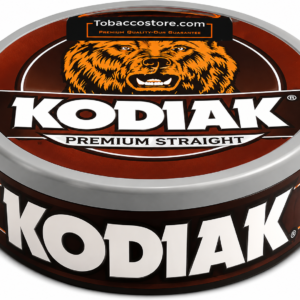
CHEWING TOBACCO
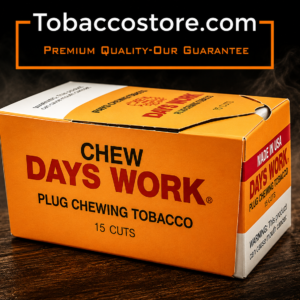
CHEWING TOBACCO
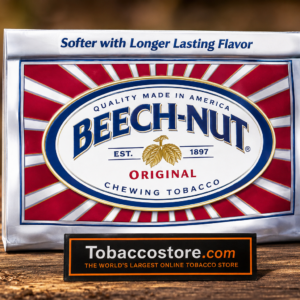
CHEWING TOBACCO
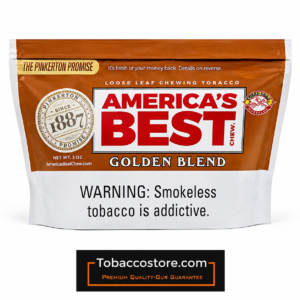
CHEWING TOBACCO
Reviews
There are no reviews yet.